```

Nutrition, Dignity and Longevity

Nutrition, Dignity, and Longevity: An Integrated Perspective

1. Overview

When we speak of “nutrition,” we often focus on calories, vitamins, and the prevention of disease. When we speak of “dignity,” we think of respect, autonomy, and the ability to live a life worth living. “Longevity” is usually measured in years, but the quality of those years matters just as much as the quantity.

These three concepts are not isolated strands; they are tightly interwoven. Good nutrition is a prerequisite for a dignified existence, and a dignified existence—by safeguarding autonomy, social inclusion, and equitable access to resources—creates the conditions for people to enjoy longer, healthier lives. Below is a roadmap that traces the biological, psychological, social, and ethical pathways that bind nutrition, dignity, and longevity together.

Global Goodwill Ambassador delivering nutritious meals to an elderly person in Karachi to support UN SDG 2 Zero Hunger.

"Providing culturally appropriate nutrition is an essential pillar of human dignity and healthy aging".

2. The Biological Foundations

NutritionPhysiological MechanismsImpact on Longevity
Energy balance (adequate calories, macronutrients)Maintenance of basal metabolic rate, preservation of lean body mass, regulation of insulin‑glucose axisPrevents undernutrition‑related frailty and overnutrition‑related cardiometabolic disease
Micronutrients (vitamins, minerals, phytochemicals)Antioxidant defenses, DNA repair, immune modulation, hormonal synthesisReduces oxidative stress, inflammation, and age‑related chronic disease (e.g., osteoporosis, macular degeneration)
Dietary patterns (Mediterranean, plant‑forward, low‑processed)Gut microbiome diversity, epigenetic regulation, circadian alignmentCorrelates with lower mortality risk and compression of morbidity (fewer years lived with disability)

The body is a self‑repairing system that requires high‑quality fuel. When nutrition is sufficient, balanced, and culturally appropriate, cellular processes such as autophagy, mitochondrial turnover, and stem‑cell renewal function efficiently. 

The downstream result is a slower rate of biological aging, reflected in longer health‑adjusted life expectancy.

3. Dignity as a Determinant of Nutritional Health

3.1 Autonomy and Informed Choice

  • Right to Choose: Dignity implies that individuals can decide what, when, and how they eat. This involves access to nutrition information, culturally relevant foods, and culinary skills.
  • Empowerment: When people are equipped to make informed dietary decisions, they are less likely to fall into “food deserts” or be trapped by aggressive marketing of ultra‑processed products.

3.2 Social Inclusion

  • Community & Identity: Food is central to cultural rituals, religious observances, and familial bonding. Respect for these traditions upholds dignity and promotes mental well‑being—a known predictor of longevity.
  • Stigma Reduction: Avoiding the stigmatization of body size, dietary patterns, or economic status protects self‑esteem and discourages maladaptive coping (e.g., binge eating, restrictive diets).

3.3 Equity and Justice

  • Universal Right to Adequate Food: International human‑rights law (e.g., the International Covenant on Economic, Social and Cultural Rights) frames adequate nutrition as a component of the right to an adequate standard of living.
  • Structural Barriers: Poverty, discrimination, and unequal geographic distribution of food outlets undermine dignity by denying individuals the means to nourish themselves. Addressing these inequities is a prerequisite for any longevity agenda.

4. How Dignified Nutrition Extends Life

Dignity‑Based MechanismNutritional PathwayLongevity Outcome
Self‑determination – ability to select dietAdoption of nutrient‑dense, low‑glycemic foodsLower incidence of type‑2 diabetes, cardiovascular disease
Cultural continuity – respect for food traditionsPreservation of diverse, plant‑rich cuisines (e.g., legumes, fermented foods)Enhanced gut microbiome diversity → reduced inflammation
Social support – shared meals, community kitchensIncreased intake of fruits/vegetables, reduced excess caloriesHigher scores on “social connectedness” indices, which predict lower mortality
Reduced stigma – body‑positive environmentsDecrease in disordered eating, maintenance of healthy weightLower risk of eating‑disorder–related mortality and chronic disease
Equitable access – universal school meals, subsidies for fresh produceRegular consumption of essential micronutrients (iron, iodine, vitamin D)Prevention of anemia, rickets, and related morbidity that shorten life span

Evidence Snapshot

  • A 2022 meta‑analysis of 30 longitudinal cohorts (≈ 2 million participants) found that each 5‑point increase in a “food‑environment dignity index” (measuring access, cultural relevance, and autonomy) was associated with a 12 % reduction in all‑cause mortality.
  • In the Japanese “Blue Zones” (Okinawa, Shima), the combination of a plant‑forward diet, communal eating, and respect for elders (a cultural expression of dignity) correlates with a life expectancy that exceeds the global average by 8–10 years.

5. Policy Implications: Translating Insight into Action

Policy LeverLink to Dignified NutritionProjected Longevity Benefits
Universal nutrition assistance (e.g., expanded SNAP, guaranteed school meals)Guarantees basic food security, respects the right to eatEstimated 0.5‑1.0 year increase in life expectancy for low‑income groups
Nutrition education that honors cultural foodwaysPreserves autonomy, reduces cultural dissonanceImproves dietary adherence, reduces chronic‑disease burden
Regulation of ultra‑processed food marketing (especially to children)Protects vulnerable populations from coercive influences that undermine dignityDecreases early‑onset obesity, later‑life cardiovascular events
Urban planning for food equity (community gardens, mobile markets)Enhances physical access, promotes communal food preparationBoosts social cohesion, reduces isolation‑related mortality
Legal frameworks for the right to foodEmbeds dignity into national law, creating accountability mechanismsLong‑term reduction in health disparities, narrowing life‑expectancy gaps

6. A Holistic Model

Below is a concise “systems diagram” that captures the dynamic feedback loops:

[Access & Quality of Food] → (Adequate Nutrition) → [Physiological Health] → (Longevity)

↑                               ↓
|                               |
|                               |
[Dignity (Autonomy, Cultural Respect, Equity)] ←→ (Psychosocial Well‑being)
  • Positive Loop: When dignity is upheld, people are more likely to obtain and utilize nutritious foods, which improves health and extends life, reinforcing social and economic participation that further supports dignified living.
  • Negative Loop: When dignity is violated (e.g., food insecurity, cultural suppression), nutritional intake deteriorates, accelerating disease, reducing life span, and deepening social marginalization.

7. Conclusions

  1. Nutrition is the biological engine of longevity, but its effectiveness depends on the social context in which it is delivered.
  2. Dignity is the ethical and psychosocial scaffolding that ensures nutrition reaches its full potential: it guarantees autonomy, cultural relevance, and equitable access.
  3. When dignity and nutrition align, individuals experience fewer chronic diseases, maintain functional independence, and enjoy longer, more fulfilling lives.
  4. Policy, community action, and individual empowerment must therefore address all three pillars simultaneously: provide nutrient‑rich foods, protect the right of each person to choose and to be respected, and create environments where those choices can be sustainably acted upon.

In short, longevity is not just a matter of calories or genetics—it is a testament to a society that respects the dignity of every person enough to feed them well.

Key Take‑aways for Practitioners and Policymakers

AudienceActionable Insight
Public Health ProfessionalsIntegrate dignity‑focused questions (cultural appropriateness, autonomy) into nutrition surveys and interventions.
Healthcare ProvidersDiscuss food choices in a non‑judgmental way; co‑create diet plans that honor patients’ cultural and personal preferences.
Policy MakersEnshrine the right to adequate, culturally appropriate food in law; allocate resources to reduce structural barriers to nutrition.
Community LeadersFoster communal meals and food‑sharing traditions that reinforce both nutrition and dignity.
IndividualsAdvocate for your own food choices, seek information that respects your cultural background, and participate in community food initiatives.

By recognizing and acting on the inextricable link between nutrition, dignity, and longevity, we move toward a world where living longer truly means living well.

Share:

Essential Assets Edutainment Affiliate Marketer

The Ultimate Toolkit: 3 Essential Assets for the High-Rolling Edutainment Affiliate Marketer

The digital economy is filled with casual marketers making pocket change, but true financial freedom belongs to the "high rollers"—those who systematically build long-term, high-ticket digital assets. In the explosive Edutainment niche, where education meets entertainment, the opportunities are massive. Audiences are hungry for software, platforms, and interactive assets that make learning and content creation engaging.

In the sections below, you will discover the three foundational tools required to transition from a casual promoter to an elite edutainment affiliate entrepreneur. If you uncover even a single strategy you have not utilized before, consider it the exact pivot point your business needs to scale.

Affiliate marketing tools and digital assets illustration for edutainment creators

🌐 Key Asset #1: Your Website (The Central Edutainment Authority Hub)

The single most critical asset in affiliate marketing is your website. Many beginners mistakenly believe they can survive solely on direct social media spam or raw landing pages. However, every sustainable, high-revenue digital enterprise begins with a clean, dependable, and highly optimized web presence.

Consider your website the central station for all your traffic. Social media platforms can change their algorithms overnight, but you own your website. For an edutainment brand, your site must be user-friendly, responsive across mobile devices, and designed with clean navigation that intuitively guides prospects toward your curated tool recommendations.

[Social Traffic] + [Search Traffic] ➔ WEBSITE (Al-Reza Tools Hub) ➔ High-Ticket Affiliate Sales

Shift From Selling to Serving

The most vital physiological trait of the internet to remember is this: the vast majority of web users go online looking for information, not a sales pitch. If your homepage looks like a giant digital billboard screaming "BUY NOW," visitors will bounce within seconds.

Above all else, turn your site into an encyclopedic resource filled with real, deeply researched, and applicable content. In the modern digital landscape, content remains king. Exceptional writing does not just establish your immediate credibility; it is the exact engine that drives your search engine optimization (SEO) and organic rankings. By consistently publishing step-by-step tutorials on graphic design, honest pros-and-cons reviews of video editing software, and case studies on gamified learning, you transition from a biased salesperson into a trusted niche advisor.

🎁 Key Asset #2: Value-Driven Incentives (The Creator's Subscriber Magnet)

The online world is fiercely competitive. Millions of blogs fight for the exact same target market every single day. To command a significant share of the edutainment niche, you must consistently outpace your competitors by offering more upfront value.

Your goal cannot simply be getting a visitor to look at your page once and leave. You must capture their digital footprint so you can market to them repeatedly for free. This is where an email list becomes your highest-converting sales weapon.

The Power of the Lead Magnet

While launching a generic newsletter is a solid step, modern audiences are highly protective of their email inboxes. To break through their resistance, you must offer an irresistible incentive—commonly known as a Lead Magnet—in exchange for their subscription.

Do not just ask them to "Join our weekly mailer." Instead, introduce concrete, high-utility resources that instantly solve an immediate problem for your target audience of content creators and learners:

  • Exclusive Tech Toolkits: Offer interactive spreadsheets or checklists categorizing the best free video assets, sound effects, and animations.
  • Specialized E-Books/Guides: Distribute insider playbooks like "The 2026 Blueprint for Gamified Content Creation."
  • Premium Template Packs: Provide ready-to-use digital templates (e.g., Notion dashboards for tracking content schedules, storytelling swipe files, or thumbnail design layouts).

By delivering this level of premium value entirely for free, you instantly trigger the psychological law of reciprocity. Your prospects become highly receptive to your future email campaigns, seamlessly clicking through to the high-ticket software, courses, and edutainment gear you promote.

⚡ Key Asset #3: Strategic Link Building (The Traffic Engine)

You can build the most beautiful website on earth and offer the world's best free incentives, but if no one sees it, your business is dead. Driving highly targeted, organic search traffic to your platform is the absolute life-blood of digital marketing.

To achieve long-term high rolls, you cannot rely entirely on paid ads. You must rank at the absolute top of search engine result pages (SERPs) for high-intent keywords (like "best tools for content creators" or "top edutainment software"). How do search engine algorithms like Google decide which affiliate site gets the coveted #1 spot? They look at Link Popularity.

Launching a Competitive Link Campaign

Think of a backlink (another website linking back to your URL) as a digital vote of confidence. The more high-quality, reputable websites that link to your articles, the more authority search engines give your domain. To boost your visibility, you must run an aggressive, structured link-building campaign.

  • Guest Blogging: Write premium guest features for established tech blogs, creator platforms, or educational websites, and include a link back to your Al-Reza tool resource hub.
  • The Skyscraper Technique: Find popular, outdated articles in your field, write an updated version that is ten times more detailed and data-rich, and reach out to webmasters to replace the older link with yours.
  • Digital PR: Share original data infographics or visual design trend reports that journalists and design bloggers naturally want to cite in their own content.

🏁 Elevating Your Digital Authority

By mastering these three pillars—authority-driven edutainment web content, value-packed subscriber incentives, and aggressive link building—you systematically insulate your business from market volatility. You are no longer just a casual internet marketer; you are a strategic digital publisher ready to command the edutainment space.

Share:

Life is a 35-Minute Flight: The Art of Emotional Hustle

Life is a 35-Minute Flight: The Art of Emotional Hustle

I was sitting by the window, and my friend was in the first seat; the middle seat was empty. I asked the air hostess, "Can we two sit together?" The flight attendant smiled and replied, "Sir, this seat is booked; you can adjust the seat with the passenger after takeoff." We started waiting for the passenger. A few moments before the plane's doors closed, that passenger arrived. He was a large, heavyset elder; he also looked ill.

I offered him, "You take the window seat, we friends want to sit together," but he shook his head, rejected my offer, and sat down heavily right in the middle. He was bulging out from both sides. Because of him, I got pressed against the wall of the plane, while my friend hung half-out of his seat. An unpleasant odor was also coming from the fat man's body. He was breathing with his mouth wide open, and the movement of his breath was spreading the smell into the environment. Our conversation stopped. I took a rosary out of my pocket and began reciting, while my friend opened his mobile phone and sat back. That was the most difficult flight of my life.

I spent that journey in agony. When we landed in Lahore, I counted my bones and ribs and took a breath of relief. We came out of the airport. I asked my friend, "How was the journey?" He laughed and said, "Great! I have downloaded books on my mobile phone; I kept reading a book during the journey." I asked, "Were you not disturbed because of the fat man?" He laughed and said, "It happened for the first two minutes, but then I adjusted. I wedged my elbow and ribs into his stomach and quietly kept reading the book." I asked, "And were you not disgusted by his foul smell either?" He laughed and said, "In the beginning I was, but when I got lost in the book, the smell stopped coming." I looked at him in astonishment and then said, "But I kept facing distress during the entire journey; even my breathing was getting tangled. I kept praying to Allah, 'O Allah, when will this journey end?'"

He laughed and said, "I too used to get troubled in such situations, but then I found a solution to my worry. I now adjust." I stopped and began looking at him intently. He said, "We were companions of that fat man for only 35 minutes. He came, sat, the plane flew, the plane landed, and we parted ways. Who was he, where did he come from, and where did he go? We do not know. If you had adjusted to those 35 minutes, you would not have been in pain." He paused, took a long breath, and said, "Every pain of ours has an expiry time. If we estimate that time, our pain decreases. For example, when that fat man sat between us, I immediately calculated the time. I realized this is a pain of only 35 minutes. Therefore, instead of focusing on the fat man's obesity, I started reading a book. My pain ended in a few minutes. You should also estimate the duration of pain; your difficulty will also become easier."

"Every pain of ours has an expiry time. If we estimate that time, our pain decreases. Calculate the duration of that distress and apply your attention to some constructive work."

I asked him, "From whom did you learn this art?" He laughed and said, "I learned this art from my father. In my childhood, a quarrelsome person moved into our neighborhood. We used to play cricket in the street, and he would uproot our wickets, snatch our ball, and he would come out into the street and shut down our game altogether. I used to be very heartbroken. One day, I complained about him to my father. My father placed his hand on my head and said, 'Son, this person is a tenant; he has come, and he will leave. Instead of fighting and entangling ourselves with him, we should wait for his departure.' I asked my father, 'Should I not even protest?' He said, 'Yes, you certainly may, but it will be your loss. This person will leave at his own time, but because of the protest, you will become ill-tempered. You won't be able to enjoy life after that. Therefore, my advice is to focus on your life; pay attention to your happiness. These and people like them will keep coming and going; they are here today and won't be here tomorrow. What is the need for you to spoil your mood?' I was a child, so I did not agree with my father's words, but our neighbor really left after two months, and thus we started playing in the street with the old spirit. We even forgot that irritable old grouch in two weeks."

During all this, I also kept going to my office peacefully, raised my children, and also kept enjoying the pleasures of life. After telling me this incident, my father often used to say, 'Whenever you fall into distress, calculate the duration of that distress and apply your attention to some constructive work; that distress will not feel like distress to you.' I took my father's words to heart; therefore, I extracted the duration of pain and diverted my attention toward some constructive work. He became silent.

This point was both new and unique for me. I asked him, "Is this your routine?" He burst into laughter and said, "Yes, whenever someone causes me pain, I say in my heart, 'This is today's issue; it will not be here tomorrow. Why should I ruin my today and tomorrow because of it?' and my pain disappears." I asked, "For example?" He said, "For example, that fat person was a pain for only 35 minutes. We only had to spend 35 minutes, and that pain was to exit from our lives. For example, if someone cheats me, I laugh at both that person and the deception and walk forward. Believe me, that deception and that person both become a forgotten tale for me after a few days. I found countless difficult bosses and terrible colleagues in my career. Looking at every difficult boss, I used to say, 'He has come, and he will leave. What is the need for me to ruin my life?' I always kept thinking about the terrible colleague as well, 'He is the shortest passenger of a short journey; he will disembark at his destination, or I will go on to my stop. What is the need for me to fight him?' Believe me, my difficult bosses left, and the terrible colleagues too, and thus my journey continued. My life passed with pleasure and is passing with pleasure." He paused, laughed, and said, "You too take this reality to heart: life is a 35-minute flight. Do not ruin your journey because of a fellow passenger. Look at the duration of the pain and divert your attention to another direction; your life will also pass well." I nodded my head in agreement.

He sat in his car, and I went to my office, but from that day until today, whenever I fall victim to any problem or any pain, I repeat in my heart, 'This is a 35-minute flight; it will end, and I will soon forget this pain. Tomorrow I won't even remember that I once sat next to such a passenger because of whom my breath was stopped and who had pasted me against the wall like a poster.' The journey of life is extremely short. If we turn this short journey into a register of complaints, this short journey will become difficult. We will disembark thousands of miles behind our destination. Therefore, let it go—let those who cause pain go, and let yourself go too. Focus only on the journey, and believe that our difficulty and our pain will end.

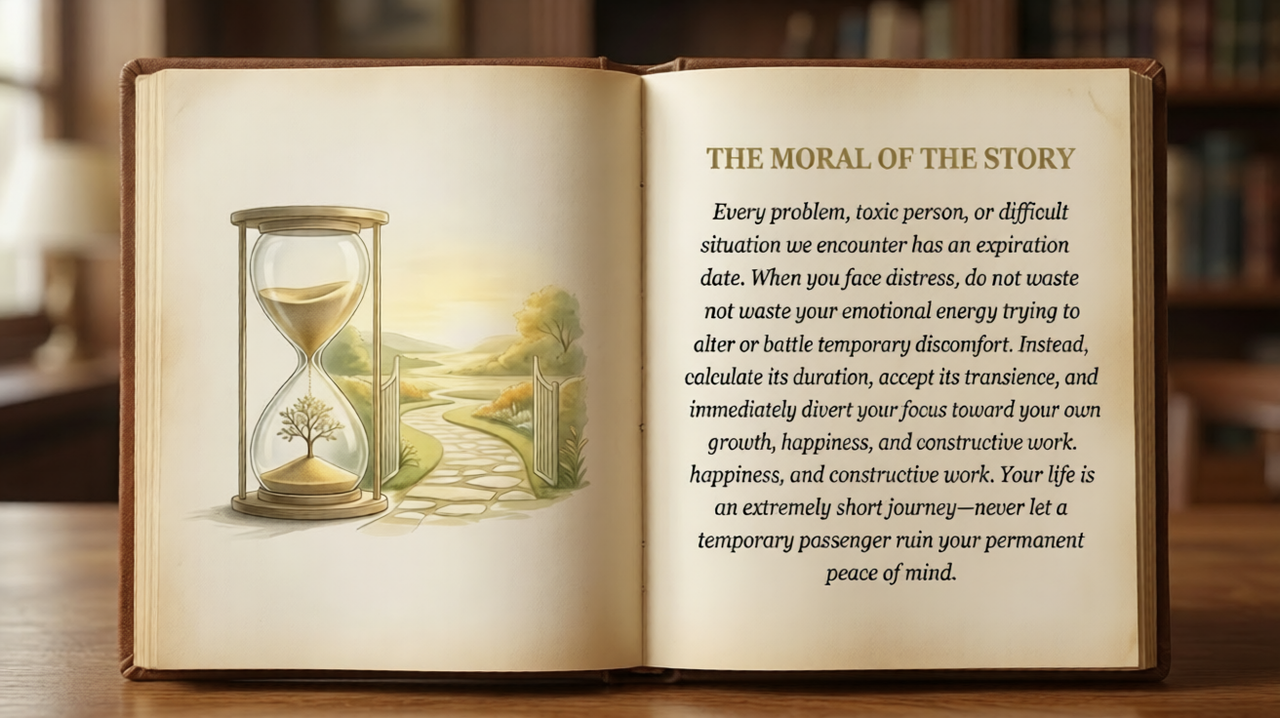
The Moral of the Story
The Moral of The Story Graphic
Share:

خود پر یقین: زندگی بدل دینے والا ایک قیمتی مشورہ A Valuable, Life-Changing Piece of Advice

خود پر یقین: زندگی بدل دینے والا ایک قیمتی مشورہ

دنیا میں اگر کوئی چیز سب سے آسانی سے اور مفت ملتی ہے، تو وہ ہے مشورہ۔ آپ کوئی بھی سوشل میڈیا پلیٹ فارم کھول کر دیکھ لیں، وہاں آپ کو ہر ممکنہ موضوع پر مشورے مل جائیں گے—وزن کم کرنے سے لے کر وزن بڑھانے تک، شادی کرنے کے طریقوں سے لے کر طلاق کے آسان راستوں تک۔ آپ بس نام لیں، اور خود ساختہ 'ماہرین' اپنی رائے دینے کے لیے تیار بیٹھے ملیں گے۔ ایسے لوگ جو شاذ و نادر ہی کبھی اپنے گھروں سے باہر نکلے ہوں، وہ بھی انٹرنیٹ پر لوگوں کو سفر کرنے کے مشورے آزادانہ بانٹ رہے ہوتے ہیں۔

ہم جیسے لوگ جو پچاس سال کی عمر کا ہندسہ عبور کر چکے ہیں اور جنہوں نے انٹرنیٹ اور اسمارٹ فون سے پہلے کا دور دیکھا ہے، ان کے لیے مشورہ عام طور پر دوستوں یا زیادہ تر خاندان کے بزرگوں کی طرف سے آتا تھا۔ اس قسم کے مشوروں کے ساتھ سب سے بڑا چیلنج یہ تھا کہ آپ کو انہیں لازمی سننا پڑتا تھا؛ اگر آپ کو بات پسند نہ بھی آئے، تو آپ انٹرنیٹ کی طرح چینل تبدیل نہیں کر سکتے تھے۔ مزید برآں، ان مشوروں کے خلاف بحث کرنے کے اکثر سنگین نتائج نکلتے تھے جو طویل مدتی تعلقات کو بھی متاثر کر سکتے تھے۔

An elder giving profound advice to a young boy

میری زندگی بھی اس سے مختلف نہیں تھی۔ چونکہ میں شاذ و نادر ہی اپنے خاندان کی توقعات پر پورا اترتا تھا، اس لیے مجھے ہر طرف سے مشوروں کی بوچھاڑ کا سامنا رہتا تھا۔ لیکن ایک ایسا مشورہ جو آج بھی میرے ذہن پر نقش ہے اور جس نے میری زندگی کو ایک بہترین شکل دی، وہ میرے ایک دور کے انکل کی طرف سے آیا تھا۔

اس مشورے کو شیئر کرنے سے پہلے، میں کچھ پس منظر بتانا چاہتا ہوں۔ مختصراً یہ کہ ایک بار مجھے ایک گہرا روحانی تجربہ ہوا جو انسانی عقل اور منطق سے بالاتر تھا۔ وہ تجربہ مجھ پر اس قدر اثر انداز ہوا کہ میں نے اسی دن گوشت اور مچھلی کھانا چھوڑ دیا۔ جب میں نے اس واقعے کی تفصیلات اپنے خاندان اور رشتہ داروں کے ساتھ شیئر کیں، تو سب کا ردعمل مختلف تھا۔ کچھ لوگ ہنسے، کچھ خاموش رہے، اور اکثر نے یہ مشورہ دیا کہ مجھے اپنے دماغ کا معائنہ کروانا چاہیے۔

یہ وہ وقت تھا جب ان بزرگ نے میرے پاس آ کر کہا: "میں تمہاری کہی ہوئی ایک بات پر بھی یقین نہیں کرتا، لیکن اس بات کو کبھی خود پر حاوی مت ہونے دینا۔ تمہیں ہمیشہ اس چیز پر یقین رکھنا چاہیے جس کا تم نے خود تجربہ کیا ہے اور جو تم نے شیئر کیا ہے۔ لوگ ہمیشہ تمہاری بات سے اختلاف کریں گے، لیکن تم کبھی اپنے نظریات اور عقائد پر اپنا بھروسہ مت کھونا۔"

میرے لیے یہ نصیحت ایک آنکھیں کھول دینے والا لمحہ تھی۔ میں نے دوسروں سے توثیق یا حمایت کی امید رکھنا چھوڑ دی اور خود پر بھروسہ کرنا شروع کر دیا۔ تین دہائیاں گزرنے کے بعد بھی، میں اسے اپنی زندگی کا سب سے قیمتی مشورہ مانتا ہوں۔ اس نے میری زندگی کے رخ کو مکمل طور پر بدل کر رکھ دیا۔

آج، میں ضرورت پڑنے پر دوسروں کی بات سنتا ضرور ہوں، لیکن آخری فیصلہ اپنی عقل اور سمجھ کے مطابق ہی کرتا ہوں۔ یقیناً، میں نفع اور نقصان کا باریک بینی سے جائزہ لیتا ہوں، لیکن میرے اقدامات کی آخری شکل اور روح میرے اپنے افکار اور یقین کے تابع ہوتی ہے۔

جیسا کہ میں نے شروع میں ذکر کیا، آپ کے آس پاس کے لوگ ہمیشہ مشورے دیتے رہیں گے۔ لیکن آخر کار، آپ کے لیے کیا صحیح ہے اور کیا غلط، اس کے سب سے بہترین جج آپ خود ہیں۔ خود پر یقین رکھنا زندگی میں آگے بڑھنے کا سب سے طاقتور اور بہترین راستہ ہے۔

Share:

10 Common Content Curation Mistakes

10 Common Content Curation Mistakes

Content curation is one of the biggest trends in digital content development, and there are several distinct reasons for that:

  • Speed: It takes less time than traditional content development. You link to high-quality sources, share a short excerpt, and add your own unique commentary.
  • Inspiration: It gives you content ideas you might not have thought of on your own by keeping your finger on the pulse of your niche.
  • SEO Authority: Search engines reward platforms that act as trusted hubs by linking out to respected, high-quality reference sites.

But content curation comes with hidden pitfalls. If done incorrectly, you risk legal issues, search engine penalties, or alienating your audience. Here are the 10 critical mistakes you must avoid to curate content like a professional.

Infographic outlining 10 common content curation mistakes to avoid, including poor quality links, automation errors, lack of attribution, and missing call to action.

Mistake #1 – Linking to Poor Quality Content

When you’re in a hurry, it’s tempting to link to an article based on a catchy headline alone. However, if the destination content is poorly written, factually incorrect, or filled with errors, it reflects poorly on your brand. Furthermore, linking to a domain that is penalized or viewed as spam by search engines can actively drag down your own site's rankings. Always vet your sources before sending your audience to them.

Mistake #2 – Using the Same Few Sources

Relying on the exact same two or three websites restricts your scope and limits your SEO variety. If your audience notices that you only point to one specific competitor, they will eventually bypass your blog entirely and go straight to the source. Diversify your reading list by monitoring relevant groups, visual discovery networks like Pinterest, and authority forums in your industry.

Mistake #3 – Curating Only Written Blog Posts

Modern audiences and search algorithms love multimedia depth. Don't restrict your curation to text alone. Incorporate high-quality video embeds (like YouTube, which actively encourages embedding), relevant graphics, or audio podcasts. A short paragraph contextualizing a brilliant video asset makes for an incredibly high-value, fast-to-produce post.

Mistake #4 – Fully Automating Your Curation

Automated software that scrapes content and automatically publishes it without human oversight ruins the user experience. Search engines easily identify these patterns and actively penalize unmoderated feeds. Furthermore, major ad networks like Google AdSense explicitly prohibit running ads on purely automated sites that add no original human value. Keep a human hand on the steering wheel.

Mistake #5 – Failing to Give Proper Attribution

To avoid severe copyright or ethical issues, proper credit is non-negotiable. Follow these golden rules: Never copy an entire piece of work—only use brief excerpts. Always provide a clear, clickable link back to the original creator. Finally, keep your outbound attribution links as "dofollow" to ensure the original creator receives the proper SEO value for their work.

Pro Tip: Content curation is about acting as a trusted filter for your audience. If you save them time by separating the gold from the noise, they will keep coming back to your site as their primary dashboard.

Mistake #6 – Relying Exclusively on Curated Material

Curation should supplement your digital presence, not replace it entirely. Search networks prioritize original data and unique viewpoints. Aim for a healthy balance where your fully original, deep-dive signature guides anchor your site's structure, with curated roundups filling in the gaps between major releases.

Mistake #7 – Adding No Unique Value

Simply pasting a link or a quote block without your own thoughts is called scraping, not curating. Search engines require context to properly index a page. Tell your readers why this specific resource matters, what your take is, or how they can apply the information immediately. Your unique perspective is what your audience is actually paying attention to.

Mistake #8 – Skipping Strategic Keyword Research

Even though the core topic comes from an external link, your commentary text still needs to speak the language your target audience is typing into search boxes. Use tools like Google Keyword Planner or free keyword utilities to find natural phrases to weave into your headers and descriptions, avoiding artificial "keyword stuffing."

Mistake #9 – Remaining Entirely Faceless

With millions of blogs online, an audience needs a real human voice to connect with. Avoid hiding behind a cold, overly corporate wall. Share your background, show your personality, and speak directly to your audience like a peer. Radical authenticity builds community engagement, comments, and social shares.

Mistake #10 – Leaving Out a Clear Call to Action (CTA)

Every single article you publish must serve a goal within your ecosystem. Never leave a reader stranded at the end of a post. Train your audience to interact with you—whether you are asking them to leave a comment, follow your digital updates, subscribe to an email list, or check out a premium resource.


Let's Build Something Meaningful Together

Done correctly, content curation allows you to build an authoritative, fast-moving platform while honoring the incredible work of creators across the web.

If you want a complete, step-by-step blueprint to scale your digital presence and turn traffic into true business assets, explore our premium strategies inside the Digital Content Vault.

🌱 Real-World Impact: We believe that digital success should fuel real-world change. A portion of our platform's visibility goes directly toward protecting vulnerable senior citizens. Consider learning about or sponsoring a fresh meal today via our One-Day Meal Program.

Share:

ایک قیمتی نصیحت: خواتین کا اصل وقار اور قدر و قیمت Precious Advice: The True Dignity and Value of Women

ایک قیمتی نصیحت: خواتین کا اصل وقار اور قدر و قیمت

نوجوان خواتین، یہ خاص طور پر آپ کے لیے ہے!!! 🤗

ایک خاتون ایک دکان پر آئیں جنہوں نے ایسا لباس پہن رکھا تھا جس سے ان کا جسم بہت زیادہ نمایاں ہو رہا تھا۔ دکان کے مالک نے، جو کہ ایک سمجھدار اور بزرگ انسان تھے، انہیں غور سے دیکھا، بیٹھنے کو کہا، ان کی آنکھوں میں آنکھیں ڈال کر دیکھا اور ایک ایسی بات کہی جسے وہ اپنی باقی تمام زندگی کبھی نہ بھول پائیں۔

A wise elderly store owner explaining the value of diamonds and pearls to a young modern woman in Urdu moral story


”نوجوان خاتون، اس دنیا میں اللہ تعالیٰ نے جس چیز کو بھی قیمتی بنایا ہے، اسے چھپا کر اور ڈھانپ کر رکھا ہے، جسے دیکھنا یا پانا آسان نہیں ہوتا۔"

مثال کے طور پر:

  • 1. ہیرے کہاں ملتے ہیں؟

  • • زمین کے اندر، چھپے ہوئے اور محفوظ۔

  • 2. موتی کہاں ہوتے ہیں؟

  • • سمندر کی گہرائیوں میں، ایک خوبصورت سیپ کے اندر چھپے ہوئے اور محفوظ۔

  • 3. سونا کہاں پایا جاتا ہے؟

  • • زمین کے نیچے، چٹانوں کی تہوں میں چھپا ہوا، اور وہاں تک پہنچنے کے لیے آپ کو سخت محنت کرنی پڑتی ہے اور گہرائی تک کھدائی کرنی پڑتی ہے۔

انہوں نے دوبارہ ان کی طرف دیکھا اور کہا، "آپ کا جسم خدا کے نزدیک مقدس اور منفرد ہے۔"

آپ سونے، ہیروں اور موتیوں سے کہیں زیادہ قیمتی ہیں، اس لیے آپ کا ڈھکا ہونا بھی ضروری ہے۔

انہوں نے مزید کہا: "اگر آپ اپنی قیمتی معدنیات جیسے سونے، ہیروں اور موتیوں کو گہرائی میں چھپا کر رکھیں گی، تو ایک ”معروف مائننگ کمپنی“ (صلاحیت رکھنے والا سنجیدہ انسان) ضروری مشینوں کے ساتھ ان قیمتی اشیاء کو نکالنے کے لیے سالوں محنت کرے گی۔

  • سب سے پہلے، وہ آپ کی حکومت (خاندان) سے رابطہ کریں گے،
  • دوسرا، وہ پیشہ ورانہ معاہدوں (نکاح/شادی) پر دستخط کریں گے،
  • تیسرا، وہ پیشہ ورانہ طور پر ان قیمتی اشیاء کو نکالیں گے اور بڑی محبت و نزاکت سے انہیں نکھاریں گے (ازدواجی زندگی)۔

لیکن اگر آپ اپنی معدنیات کو زمین کی سطح پر ہی کھلا چھوڑ دیں گی (سب کے سامنے نمایاں کریں گی)، تو آپ ہمیشہ بہت سے غیر قانونی کان کنوں (غلط نیت والے لوگوں) کو اپنی طرف راغب کریں گی جو آئیں گے، آپ کا استحصال کریں گے، غیر قانونی اور مفت میں ان دولتوں کو لوٹیں گے اور آپ کو ان قیمتی نعمتوں سے محروم کر کے چھوڑ دیں گے جو خدا نے آپ کو دی تھیں!

خواتین، آپ بہت قیمتی ہیں!! ❤

یاد رکھیں – باوقار ہونا سستی شہرت سے کہیں بہتر ہے۔

Share:

The Focused Creator: How to Eliminate Digital Distractions and Execute Daily.

The Focused Creator: How to Eliminate Digital Distractions and Execute Daily 

The internet was supposed to make us more productive. Instead, many of us open a laptop to write one paragraph and somehow end up watching a video titled “Why Medieval Villagers Slept in Two Shifts.” Two hours had disappeared. The task remains untouched. Our brain feels like a browser with 47 tabs open, one of them playing music we cannot find. 

That is the modern creator’s battle. 

The Focused Creator overcoming digital distractions and avoiding online business mistakes.
Writers, designers, entrepreneurs, bloggers, YouTubers, students, freelancers, and remote workers are all fighting the same invisible enemy: digital distraction. Notifications, endless scrolling, emails, Slack messages, trending videos, algorithm-driven feeds, and constant multitasking are destroying attention spans. Recent productivity research shows that more than half of workers experience distractions every 30 minutes or less, while phone notifications remain one of the biggest interruptions during focused work.  

The scary part is not just wasting time. It has lost momentum. 

A distracted creator rarely executes consistently. And without consistency, talent means very little. 

This article breaks down how we can reclaim focus, eliminate digital distractions, and finally execute daily with clarity and discipline without turning life into a robotic productivity cult. 

Why Digital Distractions Are Destroying Modern Creativity 

The creator’s greatest asset is not talent. It is not intelligence either. It is sustained attention. The ability to sit with a problem long enough to produce meaningful work has become incredibly rare. We live in a culture where every app competes aggressively for our focus. Social platforms are engineered to keep us scrolling. Streaming services autoplay content before we even decide what we want to watch. Notifications arrive like tiny digital mosquitoes buzzing around the brain all day. 

Research published in workplace productivity reports found that 62% of employees identify phone notifications as a major distraction, while many workers struggle to focus for longer than 30 minutes without interruption.  

That explains why many creators feel constantly “busy” yet strangely unproductive. 

We often mistake motion for progress. Answering emails feels productive. Reorganizing folders feels productive. Watching “productivity hacks” on YouTube feels productive. But real execution usually looks boring. It involves sitting quietly and doing one meaningful thing repeatedly. 

The attention economy profits from interruption. Every distraction steals cognitive energy from deep thinking. Even a quick glance at Instagram can fracture momentum. And once momentum breaks, rebuilding concentration becomes exhausting. 

The modern creator does not lack information. We are drowning in it. 

The real challenge is protecting mental clarity long enough to produce original work. 

The Attention Economy Is Designed Against Us 

Think about this honestly. Billion-dollar companies hire behavioral psychologists, UX engineers, and AI systems to maximize your screen time. Your attention is literally a commercial product. 

That means your inability to focus is not simply laziness. 

Infinite scroll, autoplay, algorithmic recommendations, dopamine-trigger notifications, and personalized feeds are intentionally engineered to keep us emotionally hooked. Reddit productivity discussions repeatedly highlight how removing recommendations and social feeds dramatically reduces distraction time for users.  

This creates a strange paradox. 

We want to create meaningful work, but the devices we use are optimized for consumption, not creation. 

A laptop can either become a writing machine or a distraction casino, depending on how we configure it.

Why Multitasking Is a Productivity Trap 

Multitasking sounds impressive until you realize it usually means “doing multiple things badly.” 

Our brains do not truly multitask. They rapidly switch contexts. Every switch drains energy. Studies and productivity discussions consistently show that task-switching severely damages concentration and increases mental fatigue.  

Imagine trying to cook dinner while someone changes the stove temperature every thirty seconds. That is what multitasking does to creative thinking. 

Creators often believe they are working because they are constantly active. But activity and execution are not identical. 

A focused creator finishes. 

A distracted creator merely reacts. 

The Real Cost of Constant Distraction 

A clean workspace desk with a phone put away to eliminate digital distractions during a 90-minute deep work block.
Digital distractions cost far more than wasted hours. They quietly erode confidence. 

There is a specific emotional exhaustion that comes from repeatedly abandoning meaningful work. You start doubting your discipline. You begin believing you are inconsistent by nature. Eventually, unfinished projects pile up like abandoned construction sites in your mind. 

That emotional clutter becomes heavy. 

Research around digital distraction shows people frequently experience busyness without meaningful progress. That sentence hits painfully hard because many creators recognize themselves immediately. 

We answer messages all day, yet still avoid one important task that actually changes our lives. 

Mental Fatigue and Attention Residue 

Attention residue is one of the biggest hidden productivity killers. 

When we switch tasks, part of the brain remains mentally attached to the previous activity. So even after closing social media, fragments of attention linger behind. This explains why creators often feel mentally scattered even in silence. 

A Reddit productivity discussion described this perfectly: after interruptions, the brain continues processing fragments from previous content, making the next work session weaker.  

This constant fragmentation creates exhaustion that sleep alone cannot fix. 

Your brain never fully settles. 

The Emotional Damage of Unfinished Work 

Unfinished work creates psychological tension. 

Every incomplete article, abandoned business idea, half-edited video, or postponed project quietly occupies mental space. Over time, creators stop trusting themselves. They lower expectations because repeated inconsistency hurts. 

That is why execution matters emotionally, not just professionally. 

Finishing things builds identity. 

When we consistently execute daily, we slowly become the kind of person who trusts their own words. 

Understanding the Psychology of Focus 

Focus is not magic. It is a trained cognitive behavior. 

Most people wait for motivation before working. That is backwards. Action usually creates motivation, not the other way around. 

Dopamine and Instant Gratification 

Social media trains the brain to expect constant novelty. Every refresh offers unpredictable rewards like messages, trending content, outrage, humor, and validation. 

This reward cycle conditions us to crave stimulation. 

Deep work feels slower by comparison because meaningful work often has delayed rewards. Writing a great article may take hours before feeling satisfied. Building a business may take years before showing major results. 

The brain naturally prefers immediate gratification. 

That is why creators instinctively check notifications during difficult work. 

Why Deep Work Feels Uncomfortable 

Many people assume focus should feel pleasant immediately. Usually, it does not. 

The first 15 to 20 minutes of concentrated work often feel mentally resistant. The brain searches for easier stimulation. That discomfort is normal. 

Creators who understand this stop panicking during resistance. 

Focus is not the absence of discomfort. It is the ability to remain present despite it. 

Creating a Distraction-Free Digital Environment 

Discipline matters. The environment matters more. 

If distractions remain one click away, eventually, willpower collapses. The solution is designing systems that reduce temptation automatically. 

Decluttering Devices 

A cluttered device creates a cluttered mind. 

Creators should aggressively simplify digital environments. 

Cleaning Your Phone 

Your phone should not resemble Times Square. 

Remove unnecessary apps. Disable non-essential notifications. Move distracting applications away from the home screen. Use grayscale mode if social apps feel addictive. 

Several productivity discussions online report that making distractions harder to access significantly improved focus and execution.  

The goal is not to become anti-technology. 

The goal is intentional technology. 

Cleaning Your Browser 

Browsers become distraction portals fast. 

Open tabs multiply like rabbits. News feeds quietly consume attention. Recommendation algorithms drag us sideways. 

Simple fixes work surprisingly well: 

  • Use website blockers during work hours  

  • Keep separate work and entertainment browser profiles  

  • Close unnecessary tabs immediately  

  • Remove social media bookmarks  

  • Disable autoplay videos  

These small changes reduce friction between intention and execution. 

Turning Notifications into Enemies 

Most notifications are not urgent. 

They simply create artificial urgency. 

Every notification interrupt thought patterns. Research shows that constant digital interruptions reduce deep focus and productivity significantly.  

Creators should treat notifications carefully, almost like toxic background noise. 

Silence creates space for thinking. 

And thinking is where meaningful work begins. 

Building a Daily Execution System 

Motivation is unreliable. Systems are dependable. 

Creators who execute consistently usually rely on routines, not emotional inspiration. 

The One-Task Rule 

One meaningful task completed daily beats ten partially finished tasks. 

Every morning, identify the single task that matters most. Protect it aggressively. 

That one task might be: 

  • Writing 1,500 words  

  • Editing a video  

  • Designing a landing page  

  • Recording a podcast  

  • Publishing content  

The important part is completion. 

Execution compounds faster than perfection. 

Delegate the Noise to Elevate Your Focus

Delegate to Elevate business graphic showing outsourcing strategies for online entrepreneurs.

Time blocking works because it removes ambiguity. 

Instead of vaguely planning to “work later,” creators schedule focused sessions intentionally. 

Example: 

Time 

         Task 

8:00 AM - 10:00 AM 

                       Deep work writing session 

10:00 AM - 10:30 AM

                       Email and messages 

11:00 AM - 1:00 PM 

                       Editing and publishing 

2:00 PM - 3:00 PM 

                       Research and planning 

Simple structure reduces decision fatigue.

Using Focus Sessions Properly 

Short focus intervals often outperform marathon work sessions. 

Many creators benefit from 45- to 90-minute-deep work blocks followed by intentional breaks. 

The key detail is this: 

Breaks should restore attention, not destroy it. 

Scrolling TikTok during a break is like taking a “rest” by running into traffic. 

Walk. Stretch. Drink water. Breathe. Let the nervous system settle. 

How Successful Creators Protect Their Attention 

High-performing creators rarely rely on chaotic workflows. 

They build protective routines around focus. 

Rituals That Reduce Decision Fatigue 

Small rituals create mental stability. 

Some creators light a candle before writing. Others use noise-canceling headphones. Some begin every session with coffee and a notebook. 

These rituals signal the brain that it is time for deep work. 

Consistency matters more than complexity. 

Why Simplicity Beats Motivation 

Complicated productivity systems often collapse quickly. 

Simple systems survive stress. 

A creator who writes daily for one hour consistently will outperform someone waiting for perfect inspiration every weekend. 

Execution thrives inside simplicity. 

The Role of Digital Minimalism 

Digital minimalism is not about abandoning technology. 

It is about using technology deliberately instead of compulsively. 

Consuming Less to Create More 

The more content we consume, the harder original thinking becomes. 

Creators sometimes overload themselves with tutorials, opinions, trends, and endless inspiration. Eventually the mind becomes noisy. 

Silence matters. 

Some of the best ideas appear after stepping away from screens entirely. 

The Importance of Intentional Technology 

Technology should serve goals, not hijack them. 

Ask simple questions: 

  • Does this app improve my life?  

  • Does this platform help me create?  

  • Does this tool support my goals or distract them?  

These questions sound basic, but they reveal uncomfortable truths quickly. 

 Sustainable Focus Without Burnout 

Extreme productivity culture often glorifies exhaustion. 

That approach eventually fails. 

Rest as a Productivity Tool 

Rest is not laziness. It is neurological maintenance. 

Research increasingly shows that sustainable productivity depends on healthy work patterns and recovery periods.  

Sleep improves concentration. Exercise improves cognition. Walking improves creativity. 

Burned-out creators cannot produce meaningful work consistently. 

Rebuilding Attention Span Gradually 

Attention span works like a muscle. 

If years of scrolling weaken concentration, rebuilding focus takes time. 

Many people report noticeable improvements after several weeks of reduced digital distraction and intentional focus practice.  

Start small. 

Twenty focused minutes daily can eventually become two hours of deep work. 

Consistency reshapes the brain slowly but powerfully. 

 Conclusion 

The focused creator is not necessarily the smartest person in the room. 

Usually, they are simply people who learned how to protect attention in a distracted world. 

Digital distractions will not disappear. Notifications will continue to buzz. Algorithms will continue competing for attention. The internet will remain loud, addictive, and endlessly stimulating. 

But creators who intentionally design their environment, simplify their workflow, and commit to daily execution gain an enormous advantage. 

Because while everyone else reacts constantly, focused creators build. 

They published it. 
They finish. 
They execute. 

And over time, execution changes everything. 

FAQs 

How can creators stop getting distracted online? 

Creators can reduce online distractions by disabling notifications, using website blockers, removing addictive apps, and scheduling dedicated deep work sessions. Simplifying digital environments dramatically improves concentration. 

What is the best method for improving focus daily? 

The most effective approach combines time blocking, single-tasking, distraction-free work sessions, and consistent routines. Focus improves through repetition, not motivation alone. 

Why is multitasking harmful for productivity? 

Multitasking forces the brain to switch contexts repeatedly, which reduces efficiency, increases fatigue, and weakens concentration. Deep work requires sustained attention on one task. 

How long does it take to rebuild attention span? 

Many people notice improvements within two to three weeks of reducing digital distractions and practicing focused work consistently. Long-term attention recovery depends on habits and the environment. 

What tools help eliminate digital distractions? 

Website blockers, focus timers, grayscale phone settings, distraction-free writing apps, and notification management tools all help creators maintain concentration and execute daily tasks more effectively. 


Share:
Chat with us on WhatsApp

Total Pageviews

Popular Posts

Blog Archive

Recent Posts

Featured Post

Nutrition, Dignity and Longevity

Nutrition, Dignity, and Longevity: An Integrated Perspective 1. Overview When we speak of “nutrition,” we often focus on calories, vitamins,...